
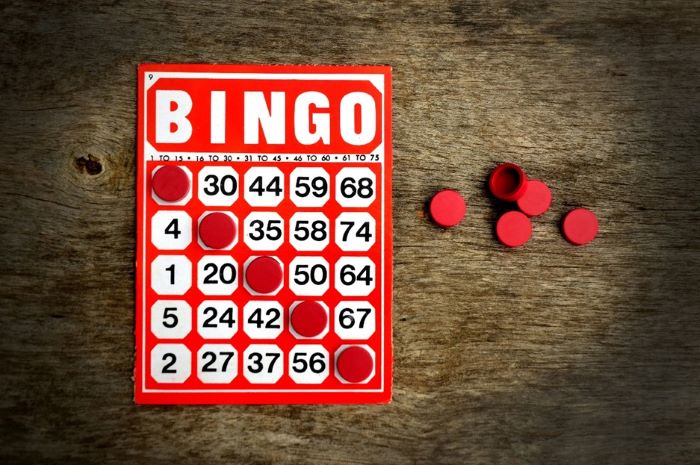
Bingo is one of the most widely recognised and enjoyed games across the UK, known for its blend of chance, excitement and community spirit. From traditional halls to online platforms, bingo has grown into an activity that appeals to different generations. Understanding its origins, rules and strategies can make the experience even more engaging for beginners and experienced players alike.
The Origins of Bingo
Bingo traces its roots back to Italy in the 16th century, evolving from a lottery-style game known as Il Gioco del Lotto d’Italia. It spread across Europe and eventually reached the UK, where it developed into the version recognised today. During the 20th century, bingo became a staple of British social culture, particularly after the Betting and Gaming Act of 1960 legalised bingo halls. These venues quickly became hubs of entertainment, offering a lively mix of competition and camaraderie.
How Bingo Works
At its core, bingo is a numbers game. Players receive a card filled with a grid of numbers, and a caller announces numbers drawn at random. The goal is to complete a specific pattern, such as a line or a full house, before anyone else.
The Structure of a Bingo Card
-
A standard UK bingo card contains a 9×3 grid.
-
Each row has five numbers and four blank spaces.
-
Numbers are distributed across nine columns, each representing a range (for example, 1–9 in the first column, 10–19 in the second, and so on).
Calling the Numbers
The caller announces numbers one by one, often using rhyming nicknames such as “Two little ducks” for 22 or “Legs eleven” for 11. These phrases add a playful, traditional touch that keeps players entertained throughout the game.
Winning Patterns
-
Single line: Marking off all numbers across one row.
-
Double line: Completing two rows on the same ticket.
-
Full house: Covering all fifteen numbers on a card.
The Social Side of Bingo
What makes bingo unique compared to other games of chance is its strong social element. Traditional bingo halls foster a sense of belonging, where friends meet weekly and new connections are made. Even in online bingo rooms, chat functions replicate this community aspect, encouraging players to share the excitement and celebrate wins together.
Strategies for Playing Bingo
Although bingo is primarily a game of luck, certain approaches can help improve the overall experience and chances of winning.
Buying Multiple Cards
The more cards you play, the higher your chances of having the winning combination. However, it requires focus to keep track of all the numbers, so it’s best to start with a manageable number and increase gradually.
Understanding Game Variations
Different bingo variations exist, such as 75-ball, 80-ball and 90-ball games. Familiarising yourself with the rules of each version ensures you’re never caught off guard by a different format.
Choosing Less Crowded Sessions
Playing during off-peak times means fewer participants, which naturally increases the odds of winning. Many experienced players prefer morning or mid-week sessions for this reason.
Staying Engaged
Success in bingo is as much about attentiveness as it is about luck. Missing a number can cost you the game, so focus and quick marking are essential.
Bingo in Modern Times
Bingo has successfully adapted to digital platforms, attracting younger players through online and mobile versions. These platforms often incorporate themed games, interactive features and promotions to keep the experience fresh. Despite the shift towards digital play, physical bingo halls remain a cultural institution, particularly in the UK, where they continue to bring communities together.
The Cultural Impact of Bingo
Bingo is more than just a pastime. It has played an important role in charity fundraising, community building and even shaping aspects of popular culture. Local clubs often use bingo events to raise money for schools, churches and neighbourhood projects, making the game a contributor to social good.
Common Misconceptions about Bingo
-
It’s just for older generations: While popular with seniors, bingo attracts people of all ages thanks to its accessibility and variety of play styles.
-
It requires no skill: Although chance is central, skills like concentration, multitasking and strategy enhance the experience.
-
Online bingo lacks community: Digital versions often include live chats, competitions and virtual socialising, maintaining the communal spirit.
Frequently Asked Questions
What is the difference between 75-ball and 90-ball bingo?
75-ball bingo, more common in North America, uses a 5×5 grid and allows for a variety of winning patterns, such as diagonal or special shapes. The UK’s traditional 90-ball bingo uses a 9×3 grid, focusing on single lines, double lines and full houses.
Can bingo be played for free?
Yes, many online platforms offer free bingo games to attract newcomers. These allow players to practise without financial risk before moving on to paid games.
Is there a way to guarantee a win in bingo?
No strategy can guarantee a win since numbers are drawn randomly. However, increasing the number of cards and playing at quieter times can improve the odds.
Why do callers use rhyming phrases for numbers?
The rhymes are part of bingo’s long-standing tradition. They make the game more entertaining and memorable, keeping the atmosphere light and enjoyable.
How popular is bingo in the UK today?
Bingo remains highly popular, with millions playing both online and in halls each year. Its ability to evolve with technology has ensured its relevance across different generations.
Are there age restrictions for playing bingo?
Yes, in the UK, players must be at least 18 years old to participate in regulated bingo games for money.


