
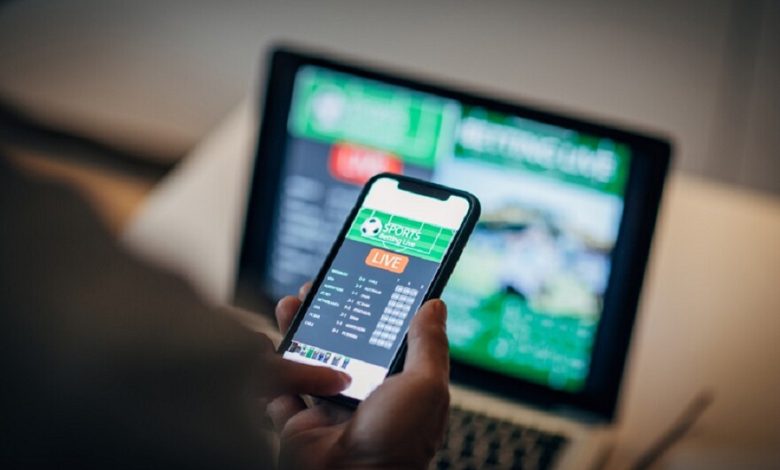
Mobile gambling apps have reshaped how people place bets, turning what was once an occasional activity into something that can happen anytime, anywhere. With smartphones always within reach, betting is no longer tied to physical locations or desktop screens. This shift has subtly—and sometimes significantly—changed user behavior, decision-making, and risk perception.
The Rise of Always-On Betting
Mobile apps remove traditional barriers to gambling. There is no need to travel, wait for opening hours, or plan ahead. Bets can be placed during a commute, a lunch break, or even while watching a live match at home.
Key behavioral impacts include:
-
Increased betting frequency due to constant accessibility
-
Shorter decision times, often leading to impulsive wagers
-
A blurred line between casual entertainment and habitual behavior
This “always-on” availability encourages repeated engagement, even when users initially intend to bet occasionally.
Interface Design and Behavioral Nudges
App design plays a powerful role in shaping how users behave. Mobile gambling platforms rely on clean layouts, bright visuals, and intuitive navigation to keep users engaged.
Common design elements that influence behavior:
-
One-tap betting that minimizes friction
-
Highlighted odds and “popular bets” that guide user choices
-
Smooth animations and sound cues that reinforce actions
These features make betting feel quick and effortless, which can reduce the time users spend evaluating risk.
Push Notifications and Psychological Triggers
Push notifications are one of the most influential tools mobile gambling apps use. Alerts about live odds, bonuses, or last-minute opportunities pull users back into the app—even when they weren’t planning to bet.
Why notifications matter:
-
They create a sense of urgency (“limited-time odds boost”)
-
They trigger fear of missing out (FOMO)
-
They normalize frequent betting through constant reminders
Over time, these prompts can condition users to associate boredom or downtime with opening a betting app.
Live Betting and Emotional Decision-Making
Live or in-play betting allows users to wager while an event is unfolding. This feature heightens emotional involvement and accelerates decision-making.
Effects on betting behavior include:
-
Increased reliance on gut feelings rather than analysis
-
Chasing losses during fast-moving events
-
Higher total spend due to multiple small bets placed rapidly
The emotional highs and lows of live events can override rational judgment, especially when bets can be placed in seconds.
Personalization and Data-Driven Influence
Mobile gambling apps collect detailed data on user behavior, including betting patterns, preferred games, and spending habits. This data is used to personalize the experience.
Personalization may involve:
-
Customized promotions based on past bets
-
Tailored game recommendations
-
Adjusted bonus offers to re-engage inactive users
While personalization improves user experience, it can also reinforce existing habits, making it harder for users to step away.
Perception of Money and Digital Spending
Mobile apps often use digital wallets, stored balances, or in-app credits. This can distort how users perceive money.
Behavioral shifts linked to digital funds:
-
Reduced “pain of paying” compared to cash
-
Easier justification for small, repeated bets
-
Less awareness of cumulative losses
When money feels abstract, users may take risks they would avoid in a cash-based setting.
Responsible Gambling Tools: Help or Afterthought?
Many mobile gambling apps now include responsible gambling features, such as deposit limits, time reminders, and self-exclusion options. Their effectiveness depends on visibility and user intent.
Common tools include:
-
Daily or weekly spending caps
-
Session time alerts
-
Temporary account freezes
When clearly presented and easy to activate, these tools can help users maintain control. However, they are often underused, especially by those already exhibiting risky behavior.
Long-Term Behavioral Shifts
Over time, mobile gambling apps can reshape how users think about betting. What starts as entertainment may evolve into a routine habit due to convenience, emotional engagement, and constant prompts.
Long-term influences may include:
-
Higher tolerance for risk
-
Normalization of frequent betting
-
Difficulty disengaging without external limits
Understanding these shifts is crucial for users, developers, and regulators alike.
Frequently Asked Questions (FAQ)
1. Why do mobile gambling apps feel more engaging than desktop platforms?
Mobile apps are designed for speed, convenience, and constant access, which increases engagement compared to stationary desktop use.
2. Do push notifications really affect betting decisions?
Yes, notifications can trigger impulsive behavior by creating urgency and reminding users of betting opportunities at strategic moments.
3. Is live betting riskier than traditional betting?
Live betting often involves faster decisions and emotional responses, which can increase risk if users don’t pause to assess outcomes.
4. How does app design influence betting frequency?
Simplified interfaces and one-tap actions reduce friction, making it easier to place frequent bets without much deliberation.
5. Can responsible gambling tools actually change behavior?
They can be effective when users actively use them, but awareness and ease of access play a major role in their success.
6. Why do small bets add up so quickly on mobile apps?
Frequent micro-bets and digital balances can make spending feel insignificant, leading to higher cumulative losses over time.
7. Are mobile gambling apps more addictive than other forms of gambling?
They can be, mainly due to constant accessibility, personalization, and real-time engagement that encourage repeated use.


