
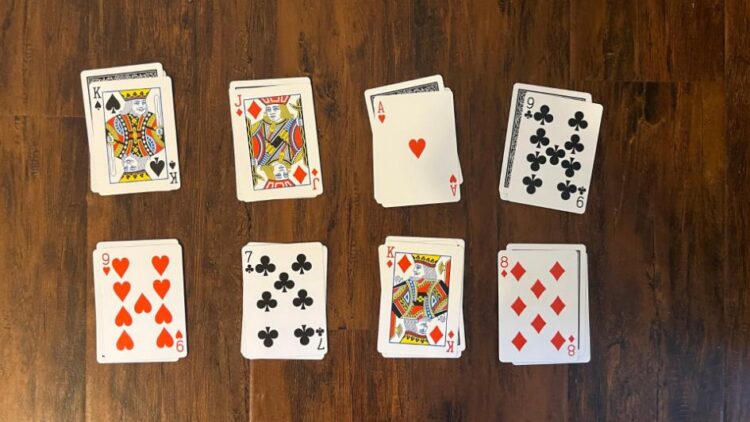
Card games are more than a source of entertainment. They quietly sharpen the brain, strengthen recall, and train players to recognize patterns under pressure. Whether played casually at home or competitively with friends, memory-focused card games provide a fun and effective mental workout for all age groups.
This article explores card games that are especially effective at enhancing memory skills and explains how they support cognitive health over time.
Why Card Games Are Good for Memory
Card games naturally demand attention, recall, and mental organization. Players must track cards, remember previous moves, and anticipate outcomes, all of which stimulate different areas of the brain.
Key memory benefits include:
-
Short-term memory improvement through card tracking
-
Working memory training by holding multiple pieces of information at once
-
Pattern recognition that strengthens recall speed
-
Mental flexibility from adapting strategies mid-game
Over time, these skills translate into better focus and sharper everyday memory.
Concentration (Memory Matching Game)
Concentration, often called the memory matching game, is one of the most effective card games for pure memory training.
Players flip cards face down and try to remember their positions to form matching pairs. Success depends entirely on recall rather than luck.
Benefits include:
-
Strengthening visual memory
-
Improving attention to detail
-
Encouraging strategic recall rather than random guessing
This game is particularly beneficial for children and older adults, but adults can also find it surprisingly challenging.
Solitaire
While often viewed as a solo pastime, Solitaire heavily exercises memory and sequencing skills.
Players must remember:
-
Which cards have already appeared
-
Where specific suits are buried
-
Which moves open future opportunities
Solitaire supports:
-
Sequential memory
-
Planning and foresight
-
Error correction through recall
Its calm pace makes it ideal for sustained mental engagement without cognitive overload.
Bridge
Bridge is widely recognized as one of the most intellectually demanding card games.
Players must remember:
-
Cards that have already been played
-
Bidding patterns and partner signals
-
Probable card distributions
Memory-related benefits include:
-
Enhanced long-term recall
-
Improved logical deduction
-
Stronger associative memory
Because Bridge combines memory with strategy, it is often recommended for long-term cognitive maintenance.
Gin Rummy
Gin Rummy requires players to constantly track discarded and drawn cards while forming sets and sequences.
Memory skills strengthened by this game:
-
Opponent behavior recall
-
Card probability awareness
-
Selective memory filtering (remembering what matters most)
The game rewards players who can retain information accurately while adjusting tactics quickly.
Old Maid and Similar Elimination Games
Simple elimination-based card games like Old Maid rely on remembering which cards have been seen and which remain hidden.
They help develop:
-
Recognition memory
-
Anticipatory thinking
-
Emotional control linked to recall mistakes
Their simplicity makes them excellent entry points for younger players developing foundational memory skills.
How to Maximize Memory Benefits While Playing
To get the most cognitive value from card games, play intentionally rather than automatically.
Helpful tips:
-
Play without distractions like television or phones
-
Reflect briefly after each game on what strategies worked
-
Rotate between different games to engage varied memory systems
-
Gradually increase difficulty to challenge recall limits
Consistency matters more than duration. Even short, regular sessions can yield noticeable improvements.
FAQs
1. Can card games actually improve memory long-term?
Yes, regular engagement with memory-based card games can strengthen recall, attention, and mental flexibility over time.
2. Which card game is best for seniors looking to maintain memory?
Games like Concentration, Solitaire, and Bridge are especially effective due to their balance of challenge and familiarity.
3. Are card games helpful for children’s brain development?
Absolutely. Matching and sequencing games improve attention span, visual memory, and early strategic thinking.
4. How often should someone play card games to see memory benefits?
Playing 3–4 times per week, even for short sessions, is enough to support cognitive improvement.
5. Do digital card games provide the same memory benefits as physical cards?
They can, but physical cards often offer better sensory engagement, which may enhance memory retention.
6. Can card games help with focus as well as memory?
Yes, most memory-based card games require sustained attention, which naturally strengthens focus.
7. Are competitive card games better than casual ones for memory training?
Both are beneficial. Competitive games push deeper strategy, while casual games support relaxed yet consistent recall practice.


