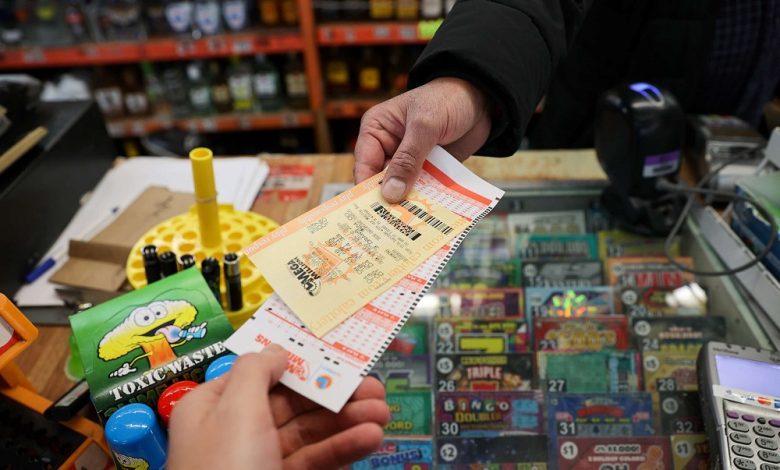
Lottery games are often marketed as harmless fun—a small spend for a chance at a life-changing reward. For many people, that’s true. But for some, repeated lottery play can quietly turn into a behavioral addiction that affects finances, mental health, and relationships. Understanding the warning signs early—and knowing how to prevent the problem—can make a real difference.
Understanding Lottery Addiction
Lottery addiction is a form of gambling disorder where an individual feels compelled to buy tickets repeatedly despite negative consequences. Unlike casino gambling, lottery play can appear socially acceptable and low-risk, which makes the addiction harder to spot.
The danger lies in the intermittent reward system—occasional small wins reinforce the belief that a big win is always just one ticket away.
Common Signs of Lottery Addiction
Recognizing the signs is the first step toward prevention and recovery. These symptoms may develop gradually and vary in intensity.
Behavioral Signs
-
Buying lottery tickets daily or multiple times a week
-
Feeling restless or irritable when unable to play
-
Hiding ticket purchases or lying about spending
-
Neglecting work, family, or responsibilities to buy tickets
-
Reinvesting winnings immediately instead of saving or spending them wisely
Financial Warning Signs
-
Spending more money than planned on tickets
-
Borrowing money or using credit to play
-
Difficulty paying bills despite a stable income
-
Chasing losses by buying more tickets after losing
Emotional and Psychological Signs
-
Strong belief that a “big win” will solve all problems
-
Persistent daydreaming about winning
-
Guilt, shame, or anxiety after buying tickets
-
Mood swings linked to wins or losses
Why Lottery Addiction Is Often Overlooked
Lottery addiction rarely looks dramatic. Tickets are inexpensive, widely available, and socially normalized. This creates a false sense of safety, making it easy for compulsive behavior to go unnoticed.
People may justify excessive play by saying:
-
“It’s only a few dollars”
-
“Someone has to win eventually”
-
“This is my only chance to get ahead”
Over time, these thoughts reinforce unhealthy habits.
Risk Factors That Increase Vulnerability
Certain factors can increase the likelihood of developing a lottery addiction:
-
Financial stress or debt
-
Feelings of hopelessness or lack of control
-
Prior history of gambling problems
-
Depression, anxiety, or chronic stress
-
Easy access to lottery outlets
Understanding these risk factors helps individuals take proactive steps before habits escalate.
Preventive Measures to Avoid Lottery Addiction
Prevention focuses on awareness, boundaries, and healthier coping strategies.
Set Clear Financial Limits
-
Decide a fixed monthly amount for entertainment spending
-
Never exceed this limit, regardless of wins or losses
-
Avoid carrying extra cash intended for lottery purchases
Change How You View the Lottery
-
Treat lottery tickets strictly as entertainment, not investment
-
Remind yourself that odds are extremely low
-
Avoid checking results obsessively or replaying numbers
Build Healthier Alternatives
-
Replace ticket-buying routines with positive habits like walking, reading, or hobbies
-
Find low-cost ways to experience excitement or relaxation
-
Focus on achievable financial goals instead of sudden wealth fantasies
Strengthen Emotional Awareness
-
Notice emotional triggers such as stress or loneliness
-
Pause before buying a ticket and ask why you want to play
-
Practice stress-management techniques like journaling or mindfulness
What to Do If You Suspect a Problem
If lottery play feels out of control, early action matters.
-
Track your spending honestly for one month
-
Talk openly with a trusted friend or family member
-
Seek professional help from a counselor familiar with gambling behaviors
-
Join support groups that address gambling-related issues
Admitting there’s a problem isn’t a failure—it’s a step toward regaining control.
The Bigger Picture
Lottery addiction is less about money and more about hope, escape, and emotional relief. Addressing the underlying needs—security, purpose, and stability—reduces the pull of gambling far more effectively than willpower alone.
When awareness meets prevention, lottery games can remain what they’re meant to be: an occasional form of entertainment, not a source of harm.
Frequently Asked Questions (FAQs)
1. Is buying lottery tickets occasionally considered an addiction?
No. Addiction involves loss of control, compulsive behavior, and negative consequences, not occasional play within limits.
2. Can lottery addiction happen even with small spending amounts?
Yes. Addiction is defined by behavior and mindset, not just the amount of money spent.
3. How is lottery addiction different from other gambling addictions?
Lottery addiction is often more subtle because tickets are inexpensive and socially accepted, but the psychological patterns are similar.
4. Can someone recover from lottery addiction without professional help?
Some people can with strong support and self-awareness, but professional guidance improves long-term success.
5. Are online lottery apps more addictive than physical tickets?
They can be, due to constant availability, ease of purchase, and instant results.
6. What role does stress play in lottery addiction?
Stress is a major trigger, as lottery play may feel like a temporary escape or solution.
7. How can families support someone struggling with lottery addiction?
By offering non-judgmental support, encouraging help, and setting healthy financial boundaries.