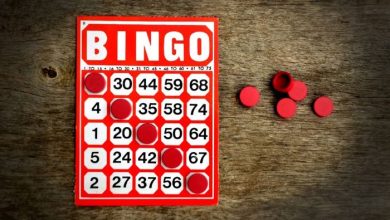
Introduction to Bingo
Bingo is one of the most popular and accessible games of chance enjoyed across the UK and worldwide. Its appeal lies in its simplicity, sense of community, and the thrill of anticipation. Unlike many other games, bingo requires no specialised skills, making it welcoming to people of all ages and backgrounds. Whether played in traditional halls or through online platforms, bingo continues to thrive as a form of entertainment and social interaction. When exploring the world of bingo, it is important to understand its history, how it is played, and why it has become a beloved pastime.
The Origins and History of Bingo
The roots of bingo can be traced back to 16th-century Italy, where a lottery game called “Il Gioco del Lotto d’Italia” was first recorded. The game spread to France in the 18th century, becoming popular among aristocrats under the name “Le Lotto”. By the 19th century, it had reached Germany, where it was used as an educational tool to teach children numbers, spelling, and even history.
The modern form of bingo, as we know it today, emerged in the United States during the early 20th century. Originally known as “Beano” due to the use of beans to mark cards, the game took on the name “bingo” after a player accidentally shouted it during a win. From that moment, the name stuck, and bingo spread rapidly across community gatherings, churches, and entertainment halls.
Understanding the Rules of Bingo
Although there are many variations, the core rules of bingo are straightforward:
-
Each player receives a card or digital grid containing a set of random numbers.
-
Numbers are called out at random, usually from a drum or digital generator.
-
Players mark off numbers as they appear on their card.
-
The aim is to complete a winning pattern, such as a line, two lines, or a full house.
-
The first player to complete the required pattern shouts “Bingo!” to claim victory.
The simplicity of the rules makes the game instantly accessible, while the variety of patterns adds excitement to each round.
Types of Bingo Games
Bingo comes in several variations, each offering a different pace and experience:
90-Ball Bingo
Most common in the UK, 90-ball bingo uses tickets with three rows and nine columns. Players aim for one line, two lines, or a full house. The longer format builds suspense and keeps the crowd engaged.
75-Ball Bingo
More popular in North America, this version uses a 5×5 grid with 75 numbers. Players aim to complete specific patterns such as a line, corners, or even complex shapes. It is faster paced compared to 90-ball bingo.
80-Ball Bingo
Played on a 4×4 grid, this version bridges the gap between 75 and 90-ball formats. It is often used in online platforms as it offers more diverse winning patterns.
30-Ball Bingo
Also known as “speed bingo”, this version is extremely fast with just 30 numbers on a 3×3 card. It is ideal for players who enjoy quick rounds.
The Social Aspect of Bingo
One of the biggest draws of bingo is its community spirit. In traditional halls, the game is a social event where friends and families gather. The excitement of waiting for the final number and the shared atmosphere creates bonds among players. Online platforms have also embraced this social nature by adding chat rooms, emojis, and interactive features to replicate the feeling of playing in a hall.
Why People Love Bingo
Bingo remains popular for several reasons:
-
Accessibility: Easy rules make it suitable for beginners and seasoned players alike.
-
Affordability: Low entry costs make it a budget-friendly activity.
-
Social Connection: It brings people together in both physical and virtual spaces.
-
Excitement: The anticipation of the next number creates constant suspense.
-
Variety: With different formats and themes, it caters to a wide range of preferences.
Strategies for Playing Bingo
Although bingo is primarily a game of luck, players often adopt strategies to enhance their experience:
-
Card Selection: Choosing cards with a wide spread of numbers may increase the chances of hitting calls across a game.
-
Multiple Cards: Playing with several cards at once can improve odds, though it requires concentration.
-
Game Timing: Attending less crowded games may reduce competition and improve chances of winning.
-
Budget Control: Setting spending limits ensures the game remains fun without financial strain.
Bingo in the Modern World
Technology has transformed bingo from a hall-based activity to a global online pastime. Today, players can enjoy bingo from their phones, laptops, or tablets, participating in live games hosted by professional callers. Online versions often include themes, jackpots, and loyalty rewards, appealing to a wider audience. Despite these changes, the essence of bingo remains the same: fun, anticipation, and connection.
Cultural Impact of Bingo
Bingo has embedded itself into culture, becoming more than just a game. It is often used for charity events, fundraising, and community support. Many people associate it with nostalgic family memories, church gatherings, or seaside holidays. Its presence in films, television, and popular culture further cements its status as a timeless classic.
Health and Cognitive Benefits of Bingo
Beyond entertainment, bingo has been linked to several benefits:
-
Cognitive Stimulation: Tracking numbers and patterns helps keep the mind sharp.
-
Social Engagement: Regular participation reduces feelings of isolation, especially among older adults.
-
Stress Relief: The fun and laughter associated with the game can reduce stress levels.
-
Hand-Eye Coordination: Marking numbers quickly helps improve coordination and focus.
Hosting a Bingo Event
Organising a bingo event can be both fun and rewarding. Key elements include:
-
Setting Rules: Decide the game type and winning patterns.
-
Providing Cards: Use paper tickets or digital alternatives.
-
Number Calling: Ensure fair and random number generation.
-
Prizes: Offer small rewards to keep participants motivated.
-
Atmosphere: Create a lively and welcoming environment.
Bingo events are popular at community centres, family gatherings, schools, and fundraising activities.
FAQs About Bingo
What is the difference between 75-ball and 90-ball bingo?
75-ball bingo is faster, played on a 5×5 grid with various patterns, while 90-ball bingo is more traditional in the UK, focusing on one line, two lines, and a full house.
Can children play bingo?
While children can play non-gambling versions of bingo for fun and learning, regulated bingo involving money is legally restricted to adults.
How long does a bingo game last?
The length varies depending on the version. A 90-ball game may last 10 to 15 minutes, while speed bingo can finish in just a few minutes.
Do online bingo games differ from hall bingo?
Online games replicate traditional formats but often include features such as auto-daub, themed rooms, and community chat options to enhance engagement.
Is there a strategy to guarantee a win in bingo?
No strategy guarantees a win since it is a game of chance. However, playing more cards and joining less crowded games may improve odds.
Why is bingo popular among older adults?
Bingo provides social interaction, mental stimulation, and an affordable form of entertainment, which makes it especially appealing to older generations.