
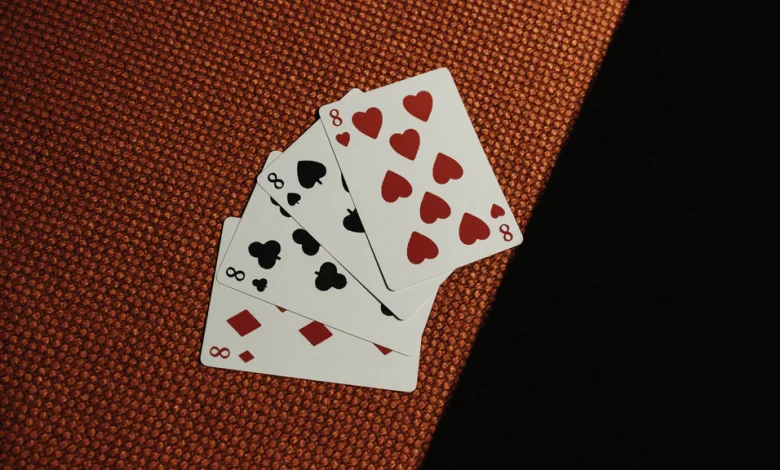
Card games have long been a cornerstone of social gatherings, offering a fun and interactive way for people to connect. Whether you’re hosting a friendly get-together or entering a more competitive atmosphere, card games provide entertainment, strategy, and a chance for people to showcase their skills. The beauty of card games lies in their simplicity; yet, they can be surprisingly complex when it comes to strategy and competition. In this article, we’ll explore some of the best card games for both casual social gatherings and more intense competitive play.
1. Poker: A Classic for Competition and Social Interaction
Poker has remained a dominant card game in both social settings and competitive environments. Its blend of strategy, psychology, and luck makes it perfect for social gatherings as well as formal tournaments. The game’s flexibility is one of its major strengths—whether it’s Texas Hold’em, Omaha, or Seven Card Stud, players can enjoy different variants with varying levels of complexity.
- Social Gatherings: Poker is ideal for casual settings because it provides plenty of opportunities for conversation, bluffing, and friendly competition. A casual home game can encourage laughter and teasing, making it a social event in itself.
- Competitions: On a more competitive level, poker tournaments like the World Series of Poker (WSOP) are watched by millions, and the game’s strategic elements make it a perfect fit for high-stakes environments. Skilled players can compete professionally, testing their abilities against others for prestige and monetary rewards.
For anyone looking to combine strategy and social interaction, poker is undoubtedly one of the best card games for any event.
2. Rummy: A Perfect Mix of Skill and Luck
Rummy is a classic card game that offers great entertainment for groups of friends and family alike. It is relatively easy to learn but offers ample room for strategy, making it a great choice for both casual play and more competitive gatherings.
- Social Gatherings: Rummy is typically played with 2 to 6 players, which makes it a perfect game for a small group of friends. The gameplay involves forming sets or runs, requiring players to remember which cards have been played and anticipate others’ moves.
- Competitions: At competitive levels, Rummy tournaments often feature intense mental engagement as players aim to create strategic combinations. Rummy’s rich history and simplicity also make it a favorite in competitive card game circles.
Rummy is perfect for those who enjoy a combination of strategy, memory, and luck, making it an excellent option for both social and competitive settings.
3. Bridge: A Challenging and Strategic Game
Bridge is a card game that has long been associated with serious competition and intellectual prowess. Unlike many other card games, Bridge is typically played in pairs, with each team working together to strategize and outsmart their opponents.
- Social Gatherings: While Bridge can be complex, its social aspect shines through in a more relaxed setting. Many people play Bridge with close friends or family, enjoying a sense of teamwork and camaraderie. However, it does require a group of players who are familiar with the rules.
- Competitions: Bridge is one of the most respected competitive card games in the world, with tournaments held globally, including the prestigious World Bridge Championships. It is a game of deep strategy and communication, requiring teamwork and the ability to read opponents.
For those who enjoy intricate strategy, Bridge is the ultimate challenge and a game that offers an intellectual workout.
4. Spades: A Social Game with Strategic Depth
Spades is another trick-taking game that is typically played by four players in two teams, making it a highly social game that promotes collaboration and strategic thinking. Players try to win tricks, with the ultimate goal of being the first team to reach a set number of points.
- Social Gatherings: Spades is simple to learn and can be played in both casual and more competitive settings. It encourages plenty of interaction between players and often becomes quite lively, with lots of opportunities for social banter.
- Competitions: In more competitive settings, Spades becomes a game of carefully calculating risks and managing the cards you play. Tournament play often involves strategic alliances, bluffing, and outsmarting opponents.
Spades strikes a balance between simplicity and depth, making it ideal for those seeking a fun yet competitive card game.
5. Euchre: A Fast-Paced Trick-Taking Game
Euchre is a trick-taking game that is especially popular in North America. It is played with a smaller deck of cards, making the game faster-paced than others like Bridge. Euchre is known for its quick rounds, where teams of two work together to win the most tricks.
- Social Gatherings: Because of its speed and simplicity, Euchre is a favorite for casual gatherings. With just four players, teams work together to strategize, and the game’s fast pace keeps things interesting and engaging.
- Competitions: Although Euchre is often played casually, there are competitive tournaments where skilled players test their strategic minds. The key to success in competitive Euchre is anticipating the moves of opponents while managing your hand effectively.
If you’re looking for a fast-paced and enjoyable card game that can be learned quickly, Euchre is a perfect option for any social event.
6. Hearts: A Trick-Taking Game for All Levels
Hearts is a trick-taking game where players aim to avoid certain cards that carry penalty points, specifically the hearts and the queen of spades. It can be played with 3 to 6 players, making it a good option for medium-sized groups.
- Social Gatherings: The game’s casual pace and simple strategy make it ideal for social settings. Hearts is a great way to bond with friends while engaging in some light-hearted competition.
- Competitions: In competitive play, Hearts is all about strategy, particularly managing your hand to avoid penalty cards. Tournaments are often played in a relaxed atmosphere, but the game can still lead to intense competition among skilled players.
For those who enjoy trick-taking games but prefer a bit more strategy than luck, Hearts offers an excellent balance of skill and social interaction.
Conclusion
Card games have a unique ability to bring people together, whether for a casual evening with friends or a more competitive setting. Games like Poker, Rummy, Bridge, Spades, Euchre, and Hearts offer a variety of experiences, from easy-to-learn games for beginners to complex challenges for seasoned players. When selecting a game for your next gathering, consider the number of players, the complexity of the game, and the level of competition you desire. Whether you’re looking for a relaxed social atmosphere or an intense competition, there’s a card game suited to every occasion. So, shuffle the deck, gather your friends, and enjoy the timeless fun of playing cards!


