Walking onto a casino floor presents an immediate sensory shift. Between the chime of slot machines, the rhythmic clatter of chips, and the deliberate absence of clocks, the entire environment is designed to dissolve friction. Yet before you ever place a wager, take a seat at a blackjack table, or pull a lever, you face a foundational financial choice: how you intend to fund your time on the floor.
Players generally split into two distinct camps. One relies on the modern convenience of casino ATMs and cash-dispensing kiosks. The other clings to the time-tested habit of arriving with a predetermined bankroll in physical currency. Each approach carries tangible advantages and clear liabilities, shaping not only your exposure to fees and security risks, but also how well you control your impulses once the games begin.
The Case for Casino ATMs
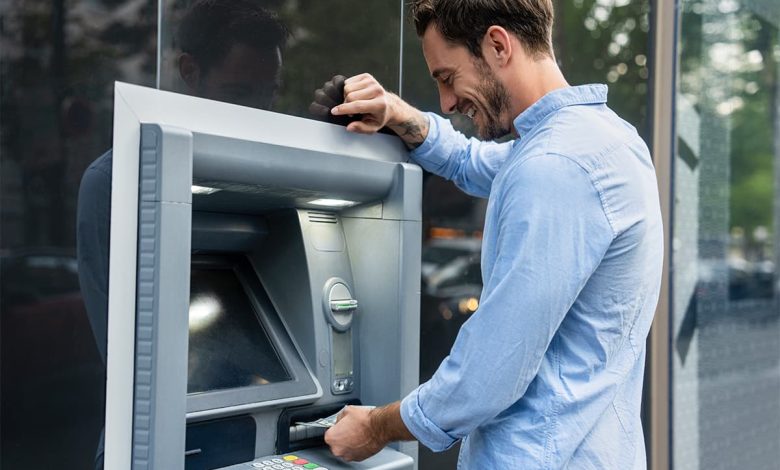
Modern gaming resorts have placed automated teller machines in nearly every high-traffic corridor, from the table game pits to the edges of the sports book. This ubiquitous placement is no accident, but it does offer genuine utility for specific types of players.
Unrivaled Flexibility and Convenience
The most obvious benefit of relying on on-site ATMs is travel convenience. Traveling through airports, hailing rideshares, or navigating crowded resort corridors without several hundred or thousand dollars in your pocket provides peace of mind. You do not have to worry about an overstuffed wallet, misplaced envelopes, or the paranoia that comes with carrying large amounts of cash in public spaces.
ATMs also grant logistical flexibility. A casino visit rarely involves only gambling; you might decide to dine at an upscale steakhouse, buy last-minute tickets to a residency show, or extend your stay by another night. Having access to your checking account allows you to adjust your spending based on how the trip unfolds rather than being constrained by an arbitrary stack of bills you withdrew days earlier.
Built-In Daily Withdrawal Safeguards
While critics often view ATMs as an open door to reckless spending, your standard retail bank account actually provides an automatic layer of protection: your daily point-of-sale and ATM withdrawal limits. Most standard checking accounts cap daily ATM withdrawals between $300 and $1,000 unless a customer specifically requests a temporary increase.
If emotion takes over and you experience a frustrating run of bad cards, your bank’s internal threshold will eventually cut you off. That cold digital denial at the machine forces a hard pause, requiring you to call customer service or wait until the midnight reset, which is often enough time for adrenaline to subside.
The Drawbacks of Using Casino ATMs
Despite the operational convenience, relying on a casino automated teller machine is widely regarded by seasoned players as one of the most expensive financial missteps you can make on a gaming floor.
Outrageous Convenience Fees and Cash Advance Traps
Standard independent ATMs located in convenience stores or gas stations typically charge transaction fees between $3 and $5. Casino ATMs operate under a completely different pricing model. Surcharges at major gaming destinations frequently range from $7 to $15 per withdrawal. When combined with your own bank’s out-of-network penalty, you can easily pay upwards of $20 just to access $100 of your own money.
The financial damage escalates drastically if an ATM prompts you to process the transaction as a credit card cash advance. A cash advance is not a routine withdrawal; it triggers immediate upfront processing fees from your card issuer (often 3% to 5% of the total amount), accompanied by elevated interest rates that regularly exceed 25%. Unlike standard retail purchases, cash advances do not have a 30-day grace period. Interest accrues the second the bills drop into the tray, ensuring you lose money before placing your first wager.
The Psychology of Detached Spending
Handling paper money creates natural psychological friction. Handing over five crisp $100 bills feels consequential because you can visually and physically register the depletion of your assets.
Sliding a piece of plastic into an automated terminal completely severs that emotional connection. The transaction feels abstract, resembling an everyday purchase at a supermarket checkout. This digital detachment makes it dangerously simple to chase losses, convincing yourself that another quick withdrawal will turn the evening around. By the time you review your actual bank balance the following morning, the compounding effect of multiple withdrawals and accompanying surcharges can be staggering.
Banking Fraud Alerts and Out-of-State Freezes
Casinos attract heightened surveillance from bank fraud-detection algorithms. If you live in Ohio and suddenly attempt three consecutive ATM withdrawals at a resort in Nevada or New Jersey at two in the morning, your bank’s automated risk management systems will likely freeze your debit card instantly.
Resolving a flagged card often involves waiting on hold with automated banking hotlines while standing in a loud casino corridor, completely cutting off your access to funds for meals, transportation, and hotel incidents until security parameters are cleared.
The Advantages of Bringing Physical Cash
Carrying paper currency onto the gaming floor is an old-school tactic, but it remains the preferred standard for professional gamblers and disciplined recreational players alike.
An Unbreakable Hard Stop
The single greatest defense against catastrophic casino losses is a hard bankroll limit. When you withdraw a specific sum from your local bank branch before your trip, that physical allocation represents your total risk budget.
Once the bills in your front pocket are gone, your gaming day is definitively over. There is no negotiating with a teller, no overriding an alert, and no tapping into emergency savings. This boundary transforms bankroll management from an abstract conceptual goal into a concrete physical reality.
Full Value on Every Dollar
Every dollar you pull from a local credit union or in-network bank ATM is a dollar that remains entirely yours. By avoiding casino kiosks, you protect your capital from aggressive transaction fees and out-of-network penalties. Saving $30 to $50 in aggregate machine fees across a weekend trip might sound modest, but that is money that remains in your pocket rather than feeding third-party payment processing networks.
Sharpened Emotional Discipline
Physical money demands deliberate accounting. Watching your stack of chips dwindle back into paper currency—or watching that currency disappear into the bill acceptor of a slot machine—provides continuous sensory feedback. It forces you to evaluate how quickly your capital is evaporating and encourages you to take natural breaks, walk away from cold tables, or lock in modest profits when you are ahead.
The Hazards of Relying Entirely on Cash
While using cash offers superior psychological control, it is not without legitimate operational pitfalls that every visitor must consider.
Personal Safety and Loss Vulnerabilities
Carrying significant quantities of physical cash introduces acute physical security liabilities. Crowded casino floors, dim lounges, and busy parking structures are prime environments for opportunistic pickpockets. Furthermore, if you misplace an envelope of cash or leave a money clip on a dining table, that capital is permanently gone. Unlike a stolen debit card, which features zero-liability fraud protections, stolen cash offers no recourse, no insurance, and no recovery mechanism.
Inflexibility During Real Emergencies
Total reliance on a fixed cash bankroll can leave you stranded if an unexpected expense arises. If your rental car blows a tire, you face an unexpected medical co-pay, or you need to rebook a flight on short notice, strict cash-only budgets leave zero operational margin. Striking a rigid posture against digital access can occasionally turn an everyday travel inconvenience into an acute crisis.
Strategic Bankroll Protection: The Hybrid Model
Rather than viewing funding as a strict binary choice, experienced visitors utilize a structured, hybrid system that captures the safety of cash while preserving a safety net for genuine emergencies.
First, determine your gambling budget well before leaving home, treating that money as an entertainment expense already spent. Withdraw that exact figure from your local, fee-free bank branch. Once you arrive at the resort, divide the currency into daily envelopes and place them directly into your hotel room safe, retrieving only the specific allocation designated for that evening’s session.
Second, leave your primary debit cards, business accounts, and major credit cards locked in that same room safe. Heading down to the casino floor with only your daily cash envelope and your identification card immediately eliminates the temptation of making impulsive midnight ATM visits. The physical act of having to ride an elevator up thirty floors and manually open a safe provides the critical cooling-off period required to break a cycle of emotional tilt.
Finally, keep a single backup credit card registered in your phone’s digital wallet for dining, medical needs, or emergency travel alterations, ensuring you are never truly stranded while keeping your core gaming bankroll strictly firewalled.
Deciding between casino ATMs and physical cash is fundamentally a test of your personal temperament. If you possess unshakeable financial discipline, using modern terminals might seem like a harmless convenience. Yet for the vast majority of players, the exorbitant transaction fees and emotional hazards of casino ATMs extract a heavy toll. Arriving with a physical, predetermined bankroll remains the cleanest, most effective way to ensure the house never takes more than you originally intended to give.